Why Cafe Lovers in Monument, CO Keep Coming Back
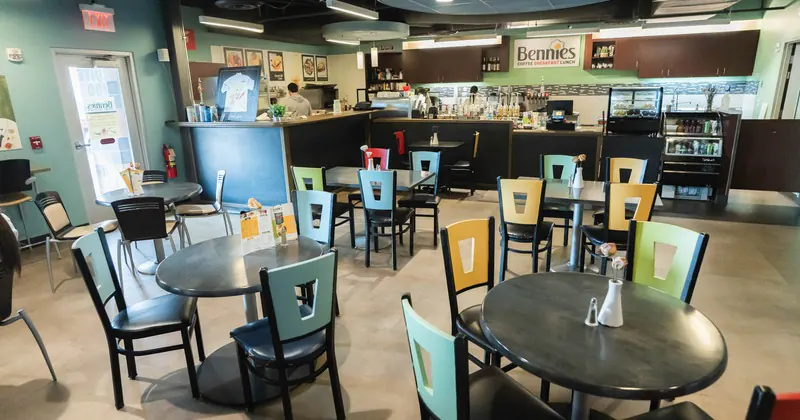
There is a difference between a place people try once and a place they fold into the rhythm of their week. In a town like Monument, that difference is easy to spot. A busy Saturday morning tells part of the story, but the truer measure is what happens on an ordinary Tuesday. The tables fill early. A few people come in alone and leave smiling. Someone picks up a drink to go for a coworker. A retired couple lingers over a second cup. A parent with a stroller knows exactly where to stand while ordering. Regulars are not built on novelty. They are built on trust.
That is why cafe culture in Monument has a particular staying power. People do not keep coming back to a cafe simply because the espresso machine is polished or the pastry case looks good at 8 a.m. They return because the experience holds together over time. The coffee tastes right, the room feels grounded, the service is competent without being stiff, and the place understands the pace of the community around it.
If you spend enough time in any good Cafe Monument, CO residents talk about with real affection, a pattern emerges. The return visits are rarely driven by one feature alone. They come from a mix of consistency, local awareness, atmosphere, and the kind of practical hospitality that customers notice even when nobody says a word about it.
Familiarity matters more than hype
In larger cities, cafes can survive on trend cycles for a while. One month it is a Cafe Monument, CO signature drink with a clever name. The next month it is a viral pastry, a new roast profile, or an aggressively minimalist interior that looks perfect online and uncomfortable in person. In a smaller community, trends still matter, but they rarely carry the same weight for long. People want places that fit real life.
Monument has its own rhythm. It is a town where commuters, remote workers, families, students, and retirees overlap. The best cafes understand that they are not just serving beverages. They are serving routine. That might mean opening early enough for someone trying to beat traffic south or north. It might mean having enough seating and a stable internet connection for a customer who needs ninety quiet minutes to work. It might mean remembering that not every guest wants an elaborate drink with five modifiers before 9 a.m.
Regulars come back when a cafe becomes easy to rely on. Ease sounds simple, but it is hard to execute. It includes the obvious pieces, like dependable coffee and reasonable wait times, but it also includes subtler habits. The room should be clean before it looks staged. The menu should be clear enough that new guests do not feel slow at the counter. Staff should be attentive without hovering. Music should create energy, not competition.
Those details are not glamorous, yet they are often the real engine behind loyalty.
Good coffee is the entry point, not the whole story
No cafe earns repeat business if the coffee is disappointing. That part is nonnegotiable. But many places make technically solid coffee and still fail to build a following. The gap usually comes down to whether the quality is repeatable and whether the menu meets people where they are.
A returning customer is less interested in the best cup they have ever had than in the confidence that today’s drink will be as good as last week’s. Consistency is a craft discipline. It comes from calibration, training, workflow, and attention during busy periods. It is easy to pull a good shot when there are three tickets in line. It is harder when the room is full, milk pitchers are cycling nonstop, and someone at the register is asking three detailed questions about syrups. The cafes that win lasting loyalty are the ones that perform well under pressure.
There is also a practical side to menu design that people underestimate. A strong cafe menu should welcome both the enthusiast and the person who just wants a reliable medium roast with room for cream. In towns like Monument, that range matters. One guest may care deeply about origin notes and roast development. The next may care only that the latte is hot, balanced, and served quickly. A smart cafe respects both customers.
Food plays a similar role. It does not have to be sprawling or restaurant-level to make an impact. In many cases, a smaller menu with fresh, well-executed items outperforms a large menu that stretches the kitchen and slows service. Customers remember when a breakfast sandwich arrives hot, structured well enough to eat without collapsing, and sized for an actual morning, not a photo. They remember when pastries taste fresh rather than simply decorative. These things sound basic because they are basic. That is exactly why they matter.
The room has to feel lived in, not engineered
People often talk about ambiance as if it were a layer applied after the real work is done. In practice, the atmosphere of a cafe is part of the product. It shapes how long people stay, how often they return, and whom they bring with them next time.
The cafes that hold attention in Monument tend to strike a careful balance. They feel comfortable without becoming shapeless. They are appealing without trying too hard. They make room for several types of visit at once: the quick stop before work, the lingering conversation, the solo reading hour, the informal meeting, the midday reset.
A space can miss this balance in either direction. Some cafes are so optimized for speed that nobody wants to remain after getting their drink. Others are designed for lounging but fail operationally, with awkward lines, cramped ordering areas, or seating layouts that make every guest feel exposed. A strong local cafe solves both problems. It lets customers move through efficiently while still offering corners where they can settle in.
In Colorado, weather also changes how a cafe is used. A warm, bright day invites people to gather before heading outside. A cold morning creates demand for comfort and shelter. Afternoon storms can turn a short visit into an extended one. The best spaces handle those seasonal shifts naturally. They feel just as right for snow boots and heavy coats as they do for light jackets and sunlit patios. That adaptability is more important than any one design trend.
Service is remembered long after the drink is gone
Most repeat business in hospitality is emotional before it is analytical. Customers may not be able to describe extraction quality or workflow design, but they know how a place makes them feel. Service sets that tone faster than anything else.
In a community setting, good service is rarely performative. It is not about overexplaining every item or turning every interaction into a scripted personality show. It is about competence, warmth, and awareness. Staff members who can read the room well make a huge difference. Some guests want quick efficiency. Others want a brief conversation. Some are regulars who appreciate being recognized. Others prefer privacy. The skill lies in adjusting without making anyone feel managed.
There is a reason regulars become attached to certain cafes, and it is often because the staff create a subtle sense of belonging. The barista remembers that a customer prefers their drink slightly less sweet. The cashier notices someone looking uncertain and offers a clear recommendation without upselling them into regret. A rushed parent is treated with patience instead of visible annoyance. None of this is dramatic, yet it compounds.
Poor service compounds too. A dismissive tone, long unexplained waits, repeated order mistakes, or visible friction among staff can undo a beautiful interior and a respectable menu. People are generous about the occasional bad day. They are much less forgiving about recurring indifference.
In Monument, where community connections matter and word travels quickly, service has an even longer tail. People talk. They recommend places that feel welcoming. They quietly stop visiting places that make them feel like an inconvenience.
A cafe becomes part of local life when it understands the town around it
The phrase local cafe gets used loosely, but its meaning is practical. A truly local cafe reflects the needs and habits of the people nearby. It does not import an identity whole from somewhere else and hope it sticks. It pays attention.
In Monument, that means understanding the overlap between small-town familiarity and Front Range movement. Some customers are in and out on tight schedules. Some are meeting neighbors. Some are working remotely and looking for a third place that is neither office nor home. Some are weekend visitors passing through and hoping to find something with more character than a chain drive-thru.
The cafes that earn loyalty usually manage to serve all those groups without losing their center. They know that convenience matters, but they also know customers are not only buying convenience. They are buying relief from generic spaces. They are buying a little texture in the middle of the day.
You can often tell when a cafe understands its town by how naturally it supports small rituals. A bulletin board that is actually current. Local art that feels selected rather than token. Staff who can answer simple questions about the area. Seasonal drinks that make sense for the climate and customer base instead of following internet trends a month late. These are modest choices, but they tell people, this place is paying attention.
The best cafes respect time
One of the biggest reasons people return to a cafe is that it consistently uses their time well. That includes speed, but it is broader than speed. A fast but chaotic experience does not build loyalty. Neither does a slow experience that feels oddly casual about the customer’s schedule.
Respecting time starts with workflow. Is the line easy to read? Are pickup orders organized clearly? Does the menu board let people decide before they reach the register? Is there enough staffing during obvious rush windows? Are food and drink timing coordinated well enough that one does not sit while waiting on the other?
These questions may seem operational, but customers feel the answers immediately. A cafe that respects time communicates competence. It lowers friction. It lets a quick visit stay quick and a slow visit feel chosen rather than imposed.
From what I have seen across many strong neighborhood cafes, the practical loyalty drivers are usually these:
- Drinks come out with dependable quality, even at peak times.
- The ordering process is clear and does not punish first-time visitors.
- Seating, noise level, and pacing support more than one kind of customer.
- Staff solve small problems before they become memorable frustrations.
- The place feels rooted in its community rather than copied from a template.
None of these points are flashy. Together, they are powerful.
Regulars are built through repetition of small wins
Customer loyalty is often misunderstood as the result of one exceptional experience. More often, it grows from a series of solid, unspectacular wins. A guest visits once because the location is convenient. They return because the latte was good. They come back again because parking was manageable, the room felt calm, and the service was smooth. By the fifth visit, the cafe has entered their routine.
That process matters because routines are sticky. Once a place becomes the default choice for meeting a friend, catching up on email, or grabbing a coffee before errands, it has crossed a meaningful threshold. A new competitor may still win some curiosity visits, but habit is hard to dislodge when it is backed by satisfaction.
For cafes, this means the goal is not to impress only once. The goal is to remove reasons not to return while preserving enough personality to remain distinct. It is a delicate balance. Too much sameness and the place feels forgettable. Too much experimentation and customers lose confidence that they Cafe Monument, CO can count on what they liked last time.
The strongest operators know where to hold steady and where to rotate. Core drinks should stay recognizable. Seasonal additions should feel additive, not disruptive. Staff standards should be stable. Small menu changes should improve execution rather than create churn for its own sake.
What cafe lovers in Monument notice, even if they do not say it out loud
Customers are often more observant than businesses assume. They see whether the milk texture is right, but they also notice whether the condiment station is perpetually messy. They notice whether the restroom is cared for. They notice whether the pastries look fresh at 11 a.m. Or only at opening. They notice whether employees seem trained or simply thrown into the shift.
These details influence trust. Trust, in turn, drives return visits. If a cafe handles the small things well, customers assume the larger things are being handled too. If it misses obvious basics, they start wondering what else is slipping behind the scenes.
There is also a quieter dimension to repeat loyalty, the sense that a place is emotionally usable. That means a person can come in alone and not feel awkward. They can have a casual business conversation without shouting. They can bring a parent from out of town and feel reasonably confident the experience will go well. They can stop by in workout clothes, work clothes, or weekend clothes and feel equally at ease. Accessibility of feeling matters just as much as aesthetics.
This is one reason a well-run Cafe Monument, CO locals favor can outlast trendier spots elsewhere. It becomes a socially flexible place. People can fit it into different parts of their lives without needing the occasion to match a narrow identity.
Price matters, but value matters more
No discussion of repeat cafe traffic is complete without price. People absolutely notice rising drink costs, smaller portions, and add-on creep. Yet pricing alone rarely explains why one cafe develops regulars and another does not. Customers are often willing to pay a little more when the value is clear.
Value is not the same as cheapness. It is the feeling that what you received matched or exceeded what you paid. A higher-priced drink can still feel worth it if the quality is strong, the cup size is honest, the service is polished, and the overall experience is reliable. On the other hand, a lower-priced drink can feel overpriced if it is poorly made or handed over with indifference.
For cafes in Monument, this creates a practical challenge. They need to cover real costs while remaining plausible as repeat purchases, not rare treats. The places that navigate this well usually do not rely on gimmicks. They make the case through steady execution. Customers may not love paying more than they did a few years ago, but they will accept it if they continue to feel well served.
Weather, work habits, and community life all feed the pattern
Cafes do not exist in a vacuum. Their traffic patterns reflect how people live. Monument’s changing seasons, commuter realities, school schedules, and growing mix of remote and hybrid work all shape what regular business looks like.
Morning business often leans on routine. Midmorning may bring meetings, catch-ups, or solo work sessions. Afternoons can be more varied, with parents, students, and people seeking a quieter second cup. Weekends usually shift toward leisure and socializing. A cafe that understands these changing dayparts can design staffing, menu timing, and seating use more intelligently.
The physical setting matters too. In communities where outdoor recreation and scenic drives are part of the lifestyle, cafes often become transition points. People stop before heading out, after coming back, or while meeting others to plan the day. That creates a customer base that values both efficiency and comfort. They want a good drink fast, but they also want a place with some soul.
The cafes that thrive long term do not fight these realities. They align with them.
Why people really come back
If you ask customers why they return to a favorite cafe, they may say the coffee is great, the pastries are good, or the space is cozy. All of that can be true. Usually, though, those answers are shorthand for something deeper. They come back because the place reliably improves a part of their day.
That improvement may be small. Ten calm minutes before a meeting. A friendly face on a difficult morning. A dependable table where work gets done. A warm drink after a cold school drop-off. A place to talk without being rushed. These are ordinary needs, but ordinary needs generate extraordinary loyalty when they are met well.
For anyone trying to understand why cafe lovers keep returning in Monument, the answer is not mysterious. The strongest cafes combine craft with steadiness, personality with usability, and hospitality with operational discipline. They do not merely sell coffee. They earn a place in people’s routines, and then they protect that place through consistency.
That is what keeps customers coming back long after the first good impression fades. Not hype. Not novelty alone. A well-run cafe becomes part of the local fabric, one solid visit at a time.
Bennies Cafe
17230 Jackson Creek Pkwy Ste 100, Monument, CO 80132
+1 719-445-0660
FAQ About Cafe Monument, CO
What is considered a café?
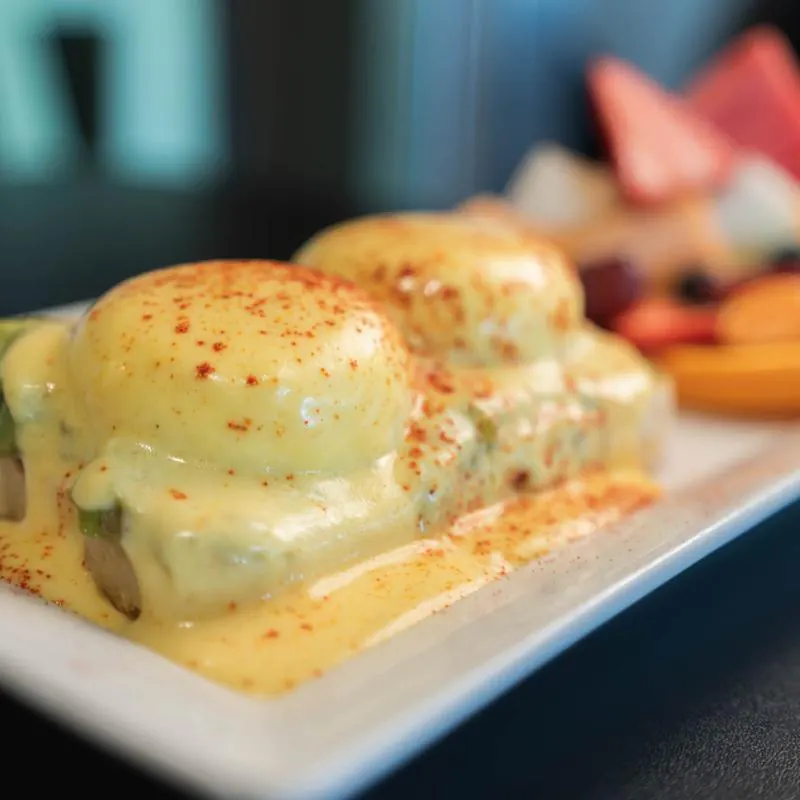
A café is generally an informal place to enjoy refreshments and a meal. Bennies Cafe in Monument serves breakfast and lunch in a counter-service setting, with options including eggs Benedict, sandwiches and crepes. Guests can eat in or arrange pickup.
What is the difference between a coffee shop and a café?
The terms often overlap. A coffee shop usually emphasizes coffee and other drinks, while a café may offer a broader food menu. Check the individual establishment's menu rather than relying on its name. Bennies Cafe offers coffee drinks alongside breakfast and lunch dishes.
What is the difference between café and coffee?
In everyday English, a café is a place where people buy food and drinks, while coffee is the beverage. The word café comes from the French word for coffee. Bennies Cafe serves options such as brewed coffee, espresso and lattes as part of its drinks menu.